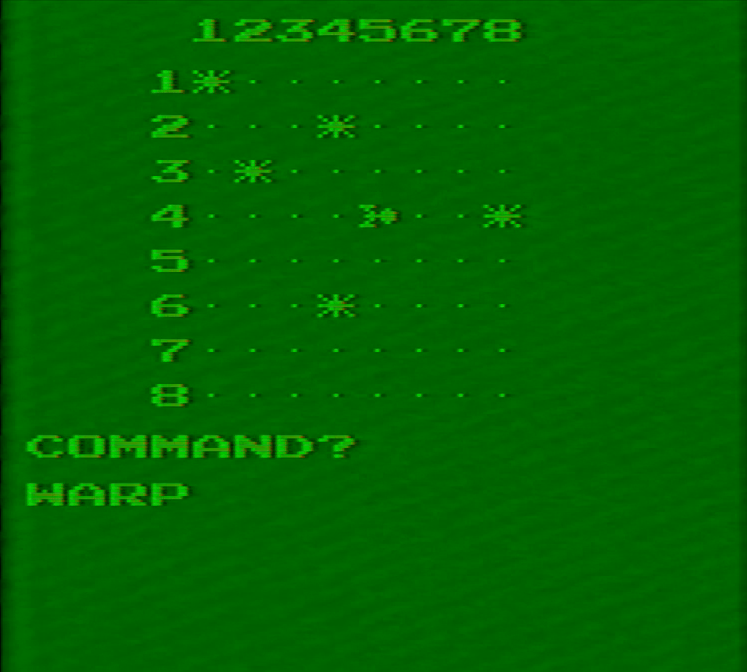
At first glance, Stellar Track seems like a minor VCS release, and it is – as a Sears exclusive that requires the instruction manual to learn to play, it’s hardly the first game people talk about when bringing up the all-time classics on the platform. But what makes Stellar Track interesting is that the game itself is just a single part of a much broader history of games and popular media, a link in a greater tapestry. This is the story about the early days of fandom, a struggling science fiction TV show, and working within strict limitations to produce one of the most widespread computer games ever made. This is the story of Star Trek.
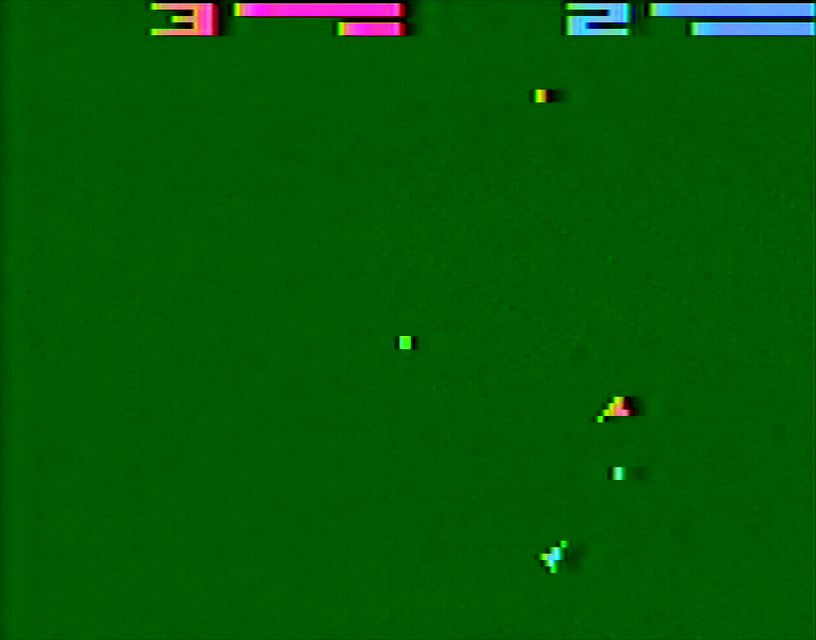
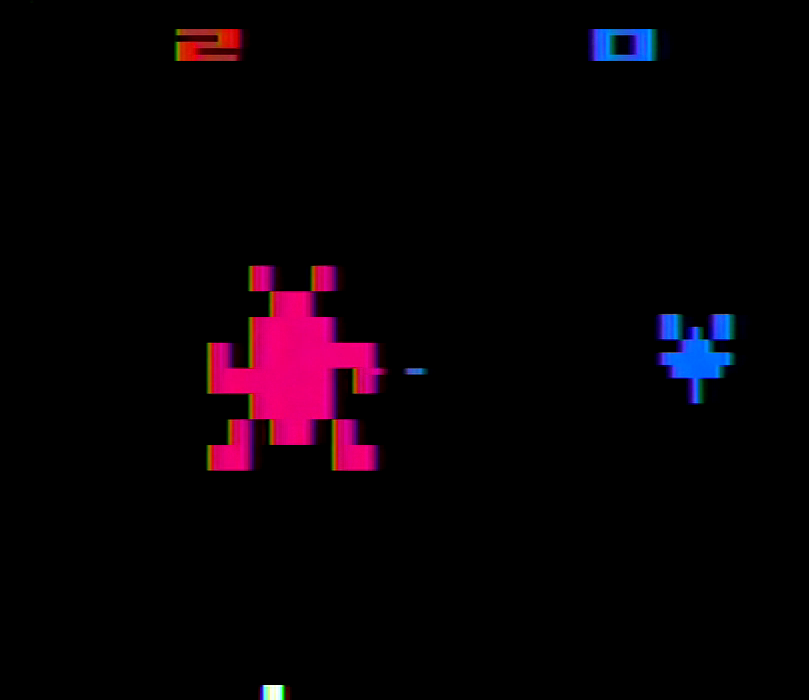
Fresh off a strong and successful 1977, Atari’s Video Computer System was in a good place. Hundreds of thousands of units had been sold; the company’s home game design team continued to grow and was getting more experienced. Having exhausted most of Atari’s top-tier arcade titles, those same developers had to get creative on what to make next. One of those designers, Ian Shepherd, seemed to have decided to look backwards for inspiration – about 15 years backwards, specifically, to one of the very first video games ever designed: Spacewar.

Continue reading “Space War (Space Combat) – October 1978”


Outer space has been a part of video games almost since their inception. One of the earliest computer games, Spacewar, came about in part because its designers were fans of pulpy science fiction stories such as the Lensman series. Spacewar went on to serve as inspiration for the first commercial arcade game, Computer Space, providing the first glimpse of the setting for public gaming consumption by having players shoot down UFOs within a time limit. Spacewar and the television series Star Trek inspired a text-based fan-made Star Trek computer game in 1971, with players jumping from sector to sector seeking out Klingon ships. But 1977 would prove to be an inflection point for a couple reasons.

Continue reading “Star Ship (Outer Space) – September 1977”