Atari didn’t take long to open up 1981 with a new release, as Championship Soccer – or Pele’s Championship Soccer, as it was quickly rebranded – started reaching store shelves that February. Despite being initially planned for a fall 1980 release, the first real soccer game on the VCS was seemingly delayed until after the Christmas season.  

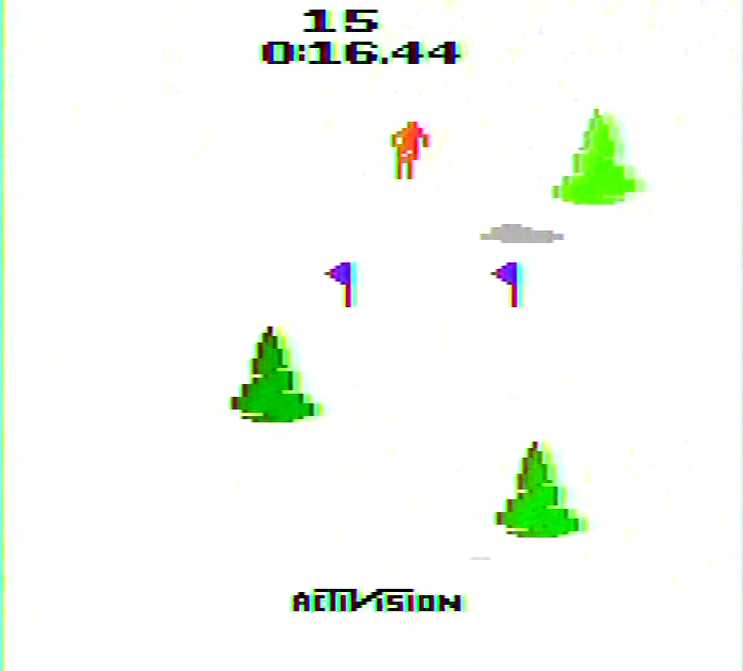
While Atari itself may have wrapped up its 1980 wares in September, Activision had two final games for the year. The company itself announced these as shipping in December for sale in January, though it does appear at least some retailers started receiving and advertising them as available late in the month, shortly before the Christmas holiday in the US. Of these two games, Skiing is unquestionably the better known release today, as it wound up as an excellent rendition of the snowy sport.

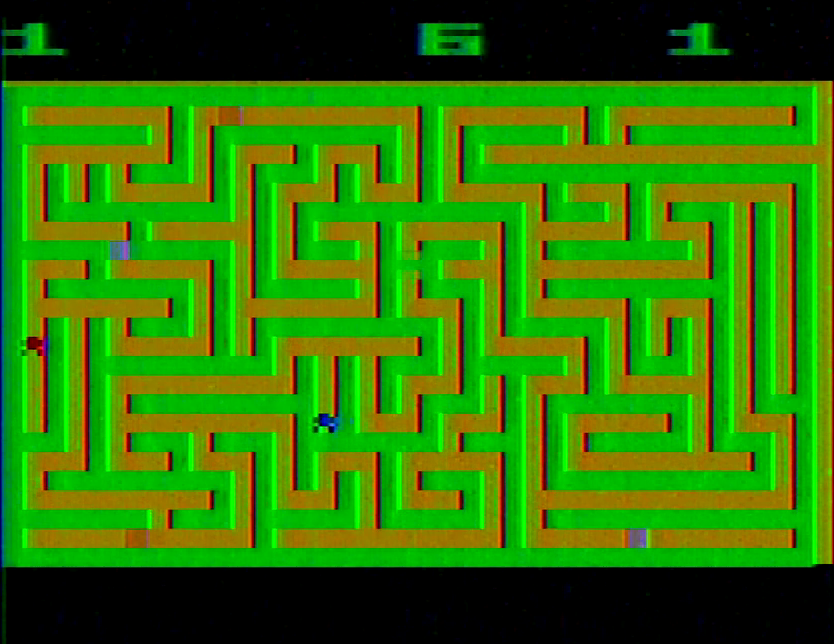
September 1980 saw a surprising amount of maze-related content published on the VCS. In addition to Carla Meninsky’s Dodge ‘Em, Atari also published Rick Maurer’s follow-up to the smash hit Space Invaders: Maze Craze, also known as Maze Mania under its Sears title. And unlike Dodge ‘Em or 1978’s Slot Racers, Maze Craze is less about doing things within the maze so much as it is about navigating the maze itself.


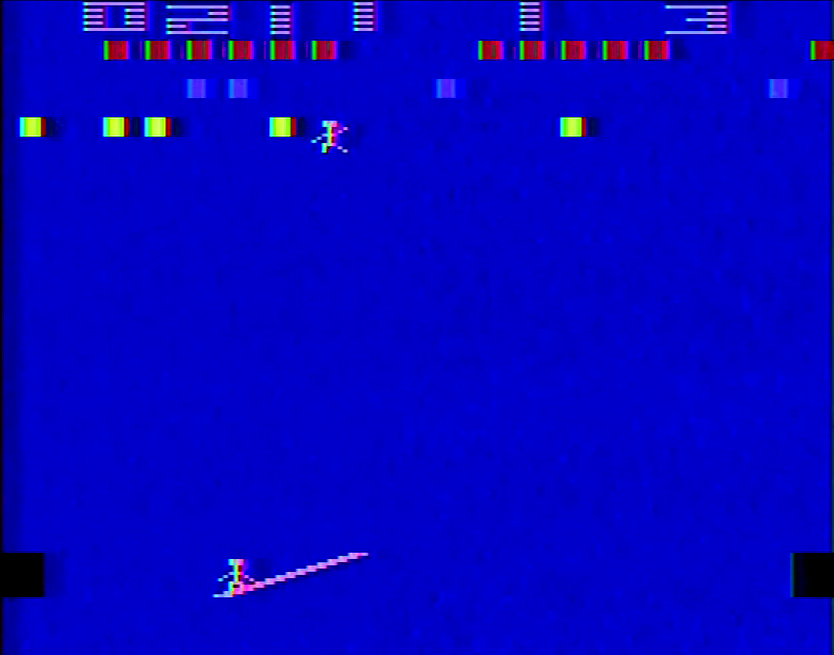
Atari’s fourth and final game from July 1980 follows in the footsteps of games like Night Driver, Outlaw, Indy 500 and numerous others in being a home conversion of a 1970s arcade game that is much, much better known today by its VCS counterpart. And much like Outlaw before it, Circus Atari – or the much more direct Sears title, Circus – is an unlicensed version of another company’s original; in this case it’s Exidy’s 1977 arcade game simply named Circus.

Continue reading “Circus Atari (Circus) – July 1980”

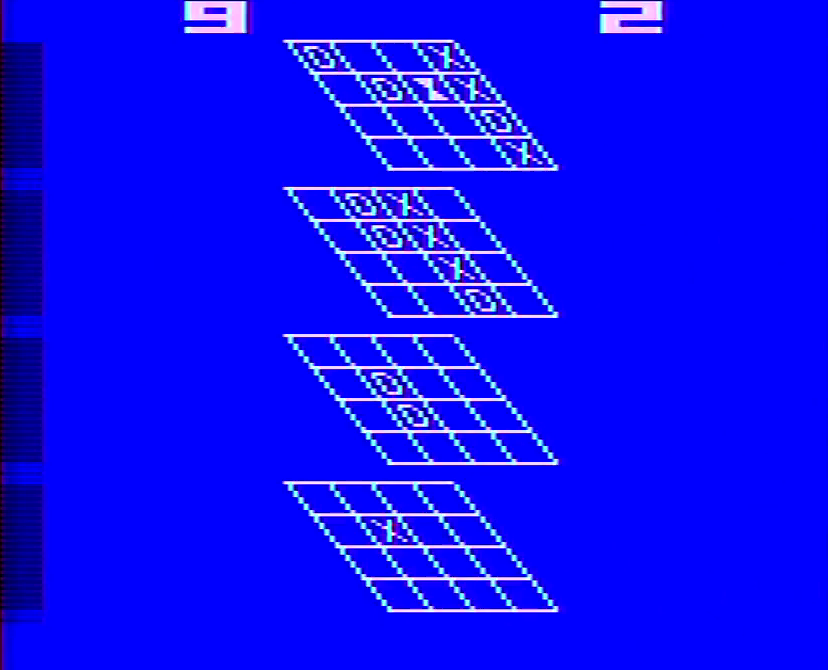
3-D Tic-Tac-Toe, by Carol Shaw – yes, the same Carol Shaw who would write seminal classic River Raid – is in some ways the most ambitious of the four games Atari published in July 1980 – a group that includes Night Driver, Golf, and Circus Atari – though it certainly doesn’t seem like it at first glance. 

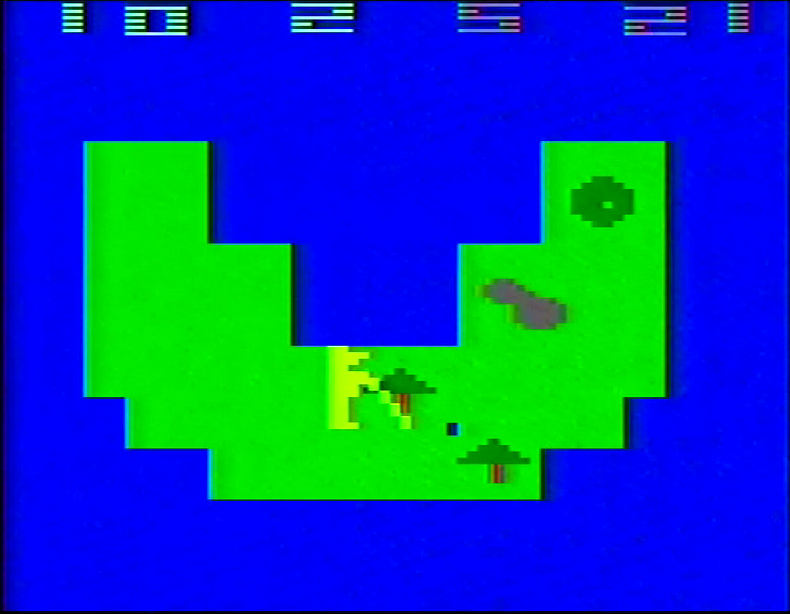
It’s been over a year, but Atari has returned to the world of sports with the company’s take on plain old, windmill-free golf. You may recall that the company had published a version of Miniature Golf in March of 1979 seemingly based on an unreleased arcade game. Golf, based on the regular version of the sport, is substantially different in just about every aspect, and feels like a better realized, more functional game all around… just not one that necessarily moves the video golf genre forward a whole lot owing to its console-oriented origins.

Continue reading “Golf – July 1980”

Warren Robinett’s BASIC Programming may be the oddest fit for the VCS out of any cartridge released on the platform – certainly it’s the oddest first party release. It’s not really a game in any sense of the word; rather, it’s a version of the BASIC computer language designed to run on the VCS. I’ll preface this by noting that I am not a programmer and haven’t really written any code since high school aside from type-in programs, but that degree of familiarity is what this cartridge expects out of its audience.

Continue reading “BASIC Programming – April 1980”

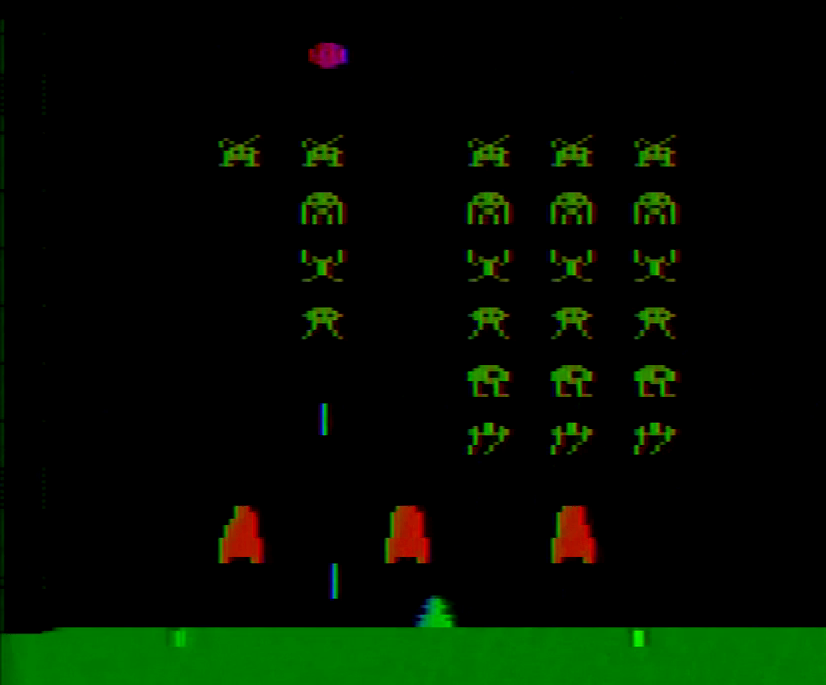
The Atari VCS was supported commercially on the market for a mind-boggling 14 years, starting in 1977 and ending its run in 1991. There are a handful of incredibly notable moments in time during the system’s life on the market, and March 1980 might be the most important one for the console’s fortunes – and for those of the home video game industry in North America. It was that month that one of the biggest VCS games ever published, Space Invaders started hitting store shelves, a cartridge that can be directly credited with making the VCS the runaway hit and social icon for the era that it became. Simply put: without Space Invaders, the VCS probably would have never survived another 11 years, let alone to have the kind of afterlife it’s seen since then.

Continue reading “Space Invaders – March 1980”


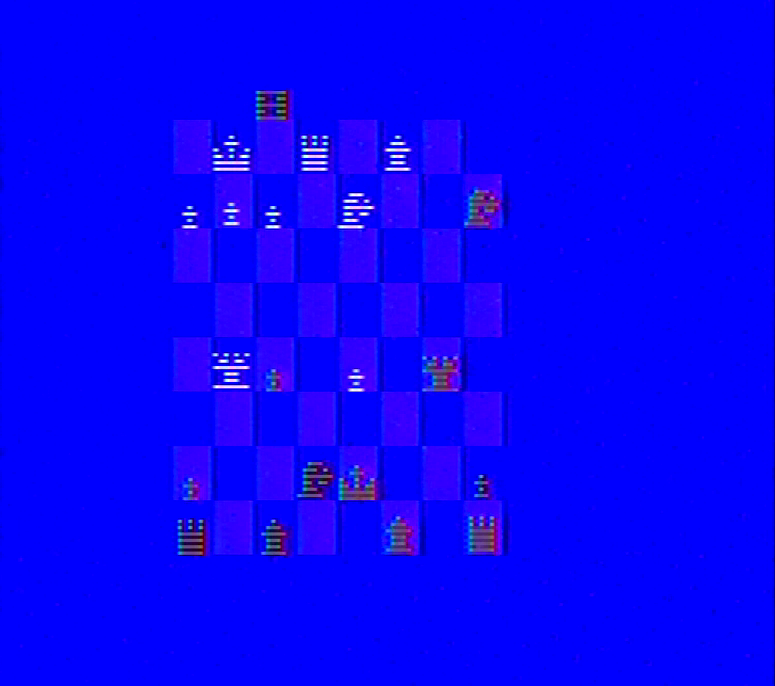
The final VCS game from the 1970s was a long time coming. Video Chess is a technical feat in several ways, and it’s also a game that owes its existence in part to a marketing decision dating back to the VCS launch back in 1977, and to the joint efforts of one of the original software developers on the platform and one of the company’s star programmers making it a reality.

Continue reading “Video Chess – November 1979”

While not nearly as obviously exciting as Superman, the last two VCS games to come out in 1979 push boundaries in their own technical ways. Backgammon and Video Chess are both attempts to bring their respective strategy board games to a platform not suited for the necessary thought processes or even displaying the game boards. Up to this point bringing these types of games to the platform hadn’t really been attempted – the closest is Codebreaker, but that doesn’t have nearly the level of variables as these two and is a much simpler game to display. Both Backgammon and Video Chess have intertwined development histories, but for my purposes, we’ll be talking about them separately.