March 1981 introduced a pair of novelties to the VCS library, in that they are first-party Atari games that are also retailer-exclusives. Steeplechase and Stellar Track are the first two of four games that had some kind of exclusivity to Sears, then one of the largest retailers in the United States and a partner of Atari’s in the home gaming space since it stocked Atari’s dedicated Pong console in 1975 under its own branding.

At this point in the VCS’s history, the platform has hosted a slew of traditional, real world games. Chess, checkers, backgammon, blackjack, and several others have helped fill out the VCS library with ways for enthusiasts to enjoy these games by themselves – or at the least a venue to play them without the setup. With that in mind, today’s game is practically the end of an era: Othello marks the last VCS game from Atari itself trying to translate one of these pastimes to the console. It is also incidentally the first of five games we’ll be looking at that came out in March 1981, which seems to have been the busiest month for new VCS releases that year.

Atari didn’t take long to open up 1981 with a new release, as Championship Soccer – or Pele’s Championship Soccer, as it was quickly rebranded – started reaching store shelves that February. Despite being initially planned for a fall 1980 release, the first real soccer game on the VCS was seemingly delayed until after the Christmas season.  

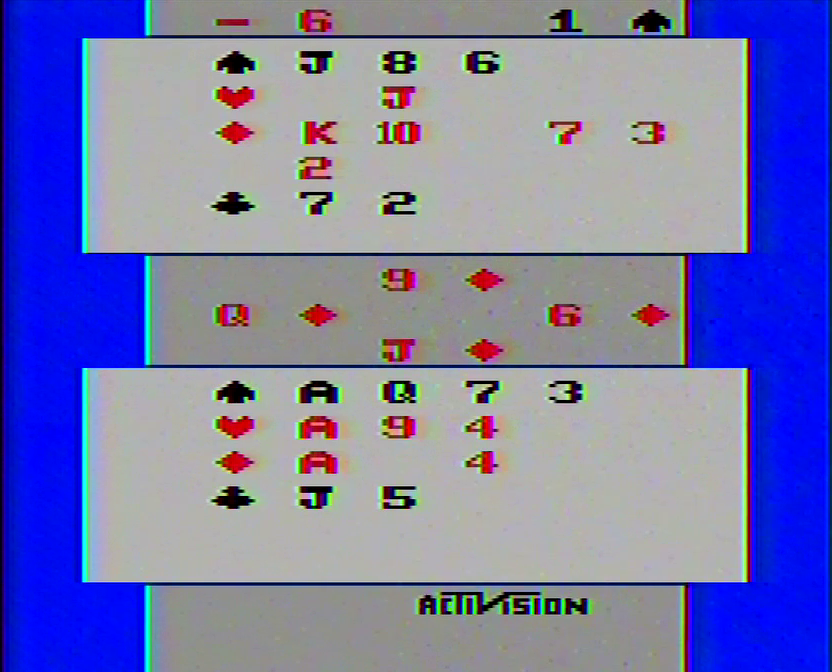
Rounding out the blockbuster year of 1980, Bridge is perhaps the most niche release to come out of Activision on the VCS. In fact, it’s arguably the most niche game on the platform. This is a single-player conversion of the team card game of the same name – a card game, it should be noted, that has appeared on home video game consoles approximately one time that I’m aware of, and that’s right here.

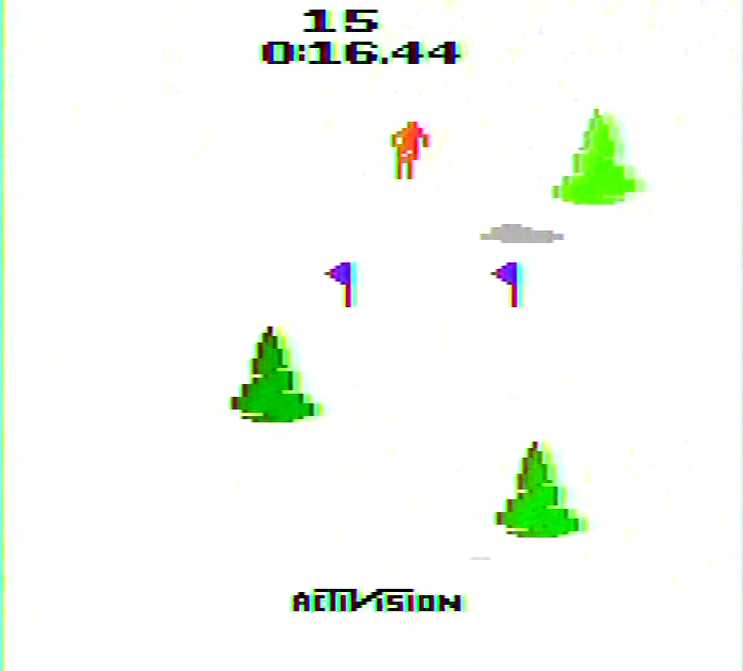
While Atari itself may have wrapped up its 1980 wares in September, Activision had two final games for the year. The company itself announced these as shipping in December for sale in January, though it does appear at least some retailers started receiving and advertising them as available late in the month, shortly before the Christmas holiday in the US. Of these two games, Skiing is unquestionably the better known release today, as it wound up as an excellent rendition of the snowy sport.

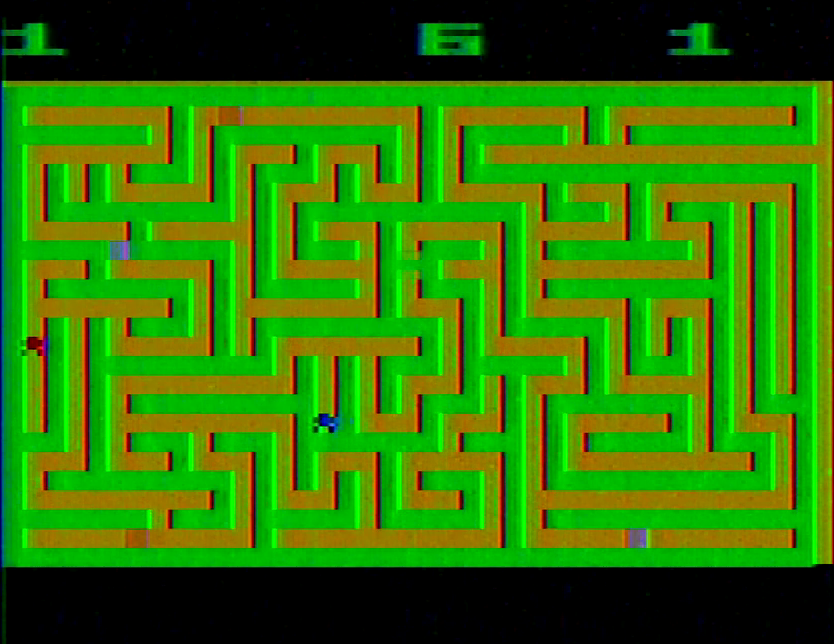
September 1980 saw a surprising amount of maze-related content published on the VCS. In addition to Carla Meninsky’s Dodge ‘Em, Atari also published Rick Maurer’s follow-up to the smash hit Space Invaders: Maze Craze, also known as Maze Mania under its Sears title. And unlike Dodge ‘Em or 1978’s Slot Racers, Maze Craze is less about doing things within the maze so much as it is about navigating the maze itself.

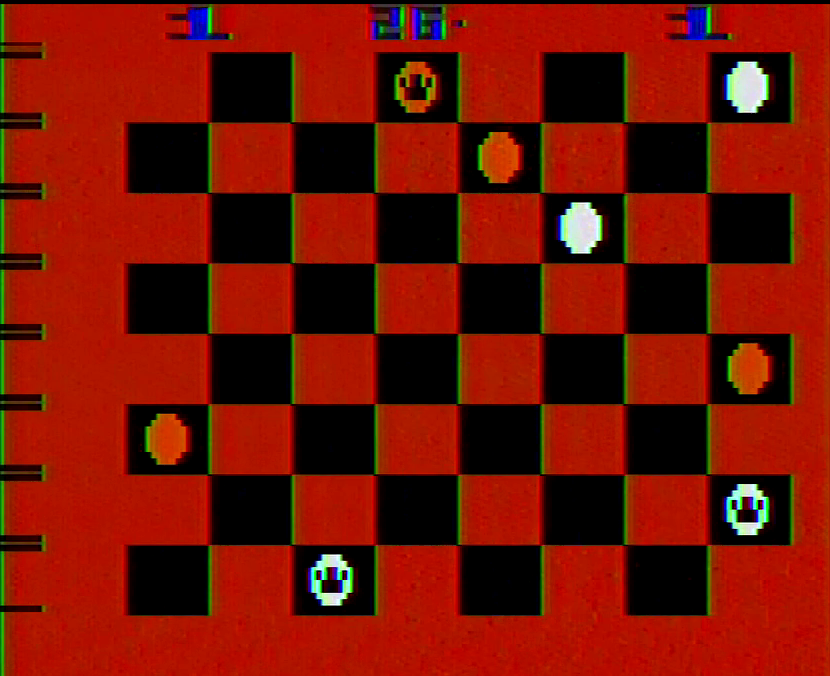
At the same time Alan Miller was working on Activision’s Checkers cartridge in late 1979, at Atari, Carol Shaw had started work on her own translation of the board game, with both designers oblivious to each others’ efforts. While not as visually striking as Miller’s game, Video Checkers has more options and a stronger computer opponent, making this a better challenge for those who are pretty decent players already. Continue reading “Video Checkers (Checkers) – September 1980”

Atari has once again returned to the pool of arcade conversions for its second of three fall 1980 releases, Dodge ‘Em. Like Circus Atari or Space Invaders, it’s an excellent home version of a fairly popular game from the 1970s, Head-On, meaning that just like those two, it’s a classic home version of a classic game… albeit not an official one. Much as was the case with Circus Atari, Dodge ‘Em – or Dodger Cars, under the Sears branding – is another unlicensed clone of someone else’s game.

While David Crane’s other August release, Fishing Derby, was a unique experience in the gaming space, the same can’t exactly be said for his other Activision debut cartridge. Atari’s first-party releases to this point are predominantly made up of arcade conversions and takes on real world activities, and with today’s game, Dragster, David Crane covered both of those bases for his new company – just with some serial numbers filed off.

After exiting Atari upon the completion of Video Chess and participating in the risky venture of starting up the novel idea of a third-party video game company, Bob Whitehead’s Activision debut showed up in August 1980 with another sports title, Boxing. This was his first project upon leaving Atari, but it’s very much in the same throughline as several of his previous games.