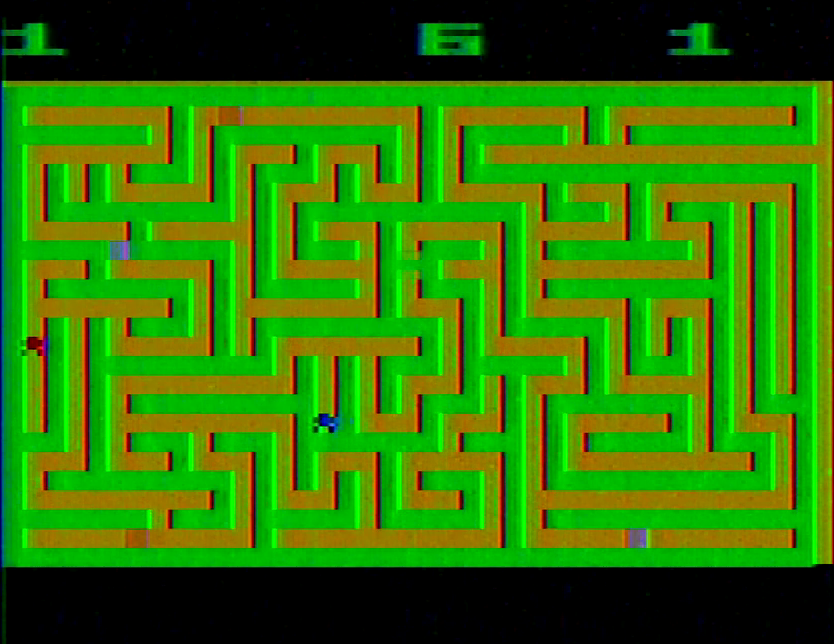
September 1980 saw a surprising amount of maze-related content published on the VCS. In addition to Carla Meninsky’s Dodge ‘Em, Atari also published Rick Maurer’s follow-up to the smash hit Space Invaders: Maze Craze, also known as Maze Mania under its Sears title. And unlike Dodge ‘Em or 1978’s Slot Racers, Maze Craze is less about doing things within the maze so much as it is about navigating the maze itself.

While David Crane’s other August release, Fishing Derby, was a unique experience in the gaming space, the same can’t exactly be said for his other Activision debut cartridge. Atari’s first-party releases to this point are predominantly made up of arcade conversions and takes on real world activities, and with today’s game, Dragster, David Crane covered both of those bases for his new company – just with some serial numbers filed off.

By sheer coincidence, Activision and Atari both published VCS versions of the board game checkers roughly a month apart. Activision’s Checkers, by Alan Miller, started reaching stores in August, beating Atari’s effort to retailers. While it looks graphically more interesting, whether or not it bests the version published by his former employer depends on what you value in your board game translations. 

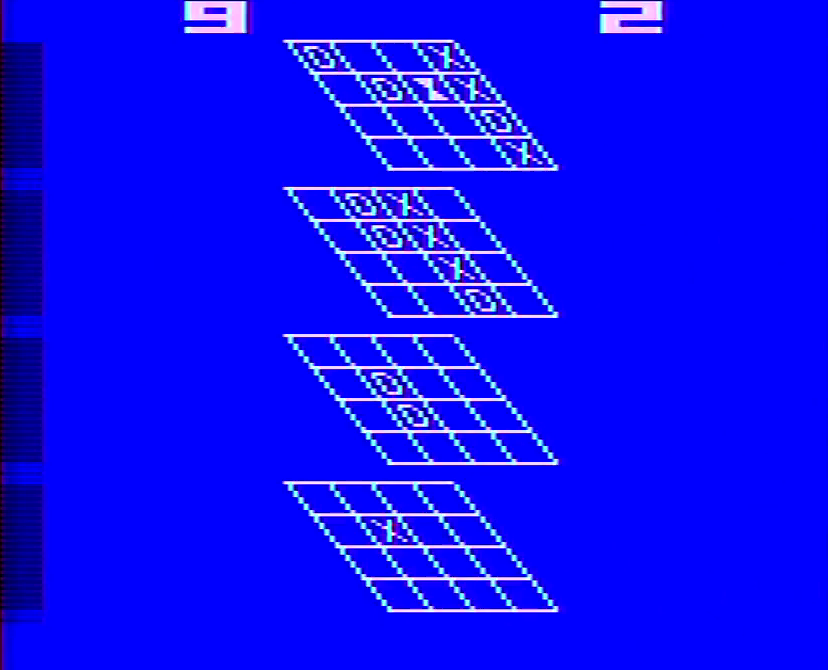
3-D Tic-Tac-Toe, by Carol Shaw – yes, the same Carol Shaw who would write seminal classic River Raid – is in some ways the most ambitious of the four games Atari published in July 1980 – a group that includes Night Driver, Golf, and Circus Atari – though it certainly doesn’t seem like it at first glance. 

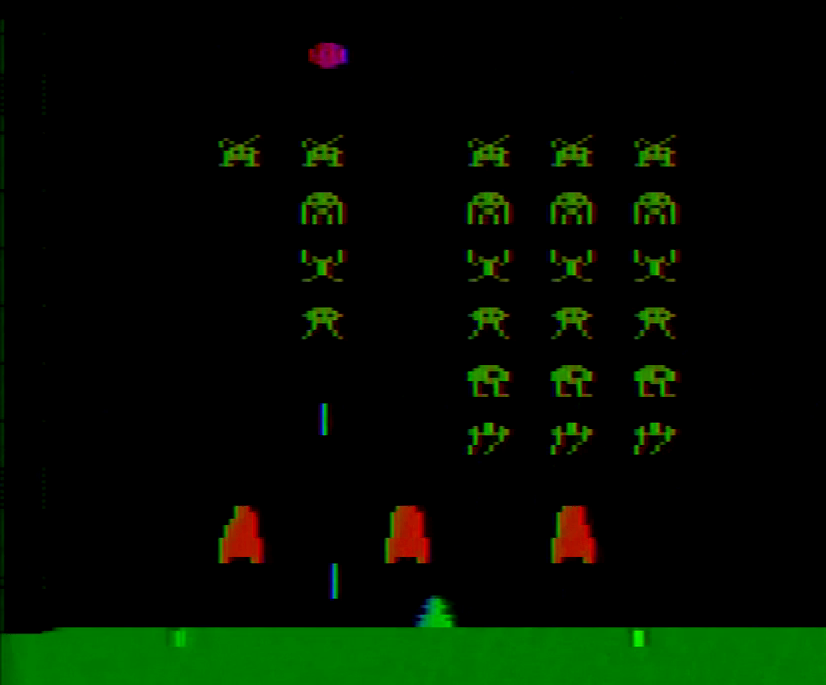
The Atari VCS was supported commercially on the market for a mind-boggling 14 years, starting in 1977 and ending its run in 1991. There are a handful of incredibly notable moments in time during the system’s life on the market, and March 1980 might be the most important one for the console’s fortunes – and for those of the home video game industry in North America. It was that month that one of the biggest VCS games ever published, Space Invaders started hitting store shelves, a cartridge that can be directly credited with making the VCS the runaway hit and social icon for the era that it became. Simply put: without Space Invaders, the VCS probably would have never survived another 11 years, let alone to have the kind of afterlife it’s seen since then.

Continue reading “Space Invaders – March 1980”


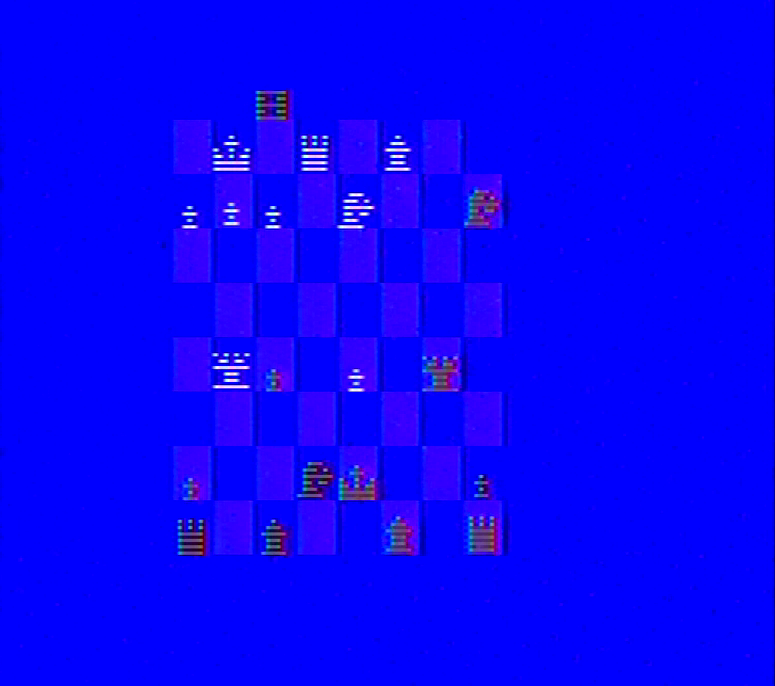
The final VCS game from the 1970s was a long time coming. Video Chess is a technical feat in several ways, and it’s also a game that owes its existence in part to a marketing decision dating back to the VCS launch back in 1977, and to the joint efforts of one of the original software developers on the platform and one of the company’s star programmers making it a reality.

Continue reading “Video Chess – November 1979”

While not nearly as obviously exciting as Superman, the last two VCS games to come out in 1979 push boundaries in their own technical ways. Backgammon and Video Chess are both attempts to bring their respective strategy board games to a platform not suited for the necessary thought processes or even displaying the game boards. Up to this point bringing these types of games to the platform hadn’t really been attempted – the closest is Codebreaker, but that doesn’t have nearly the level of variables as these two and is a much simpler game to display. Both Backgammon and Video Chess have intertwined development histories, but for my purposes, we’ll be talking about them separately.

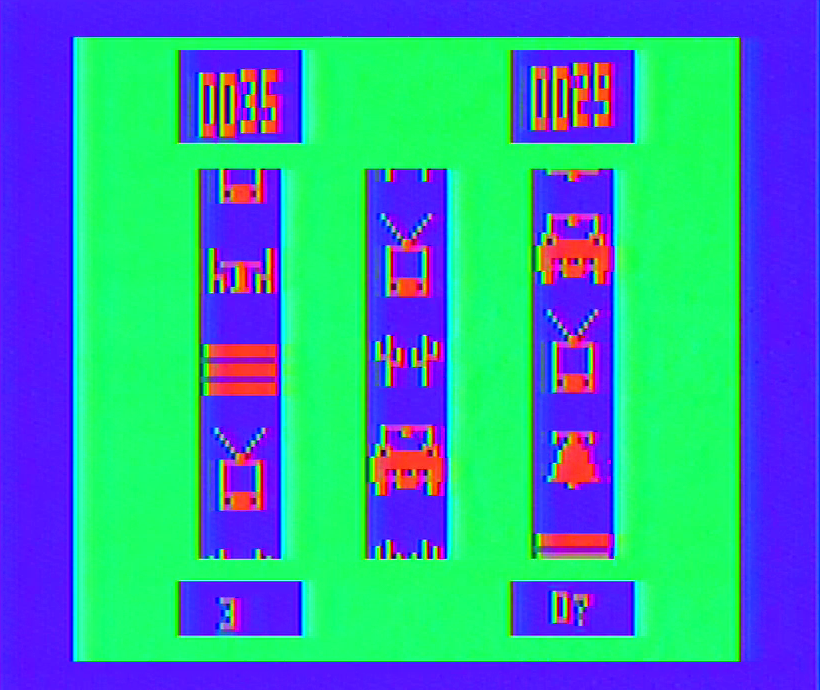
Here we are with the third and final gambling game to be published on the VCS during its commercial life. Unlike Blackjack and Casino, Slot Machine trades in card games in favor of a simulation of, as the name suggests, a slot machine. In this respect it succeeds in producing a perfectly accurate take on slots, but there’s not a whole lot else to it.

Continue reading “Slot Machine (Slots) – March 1979”

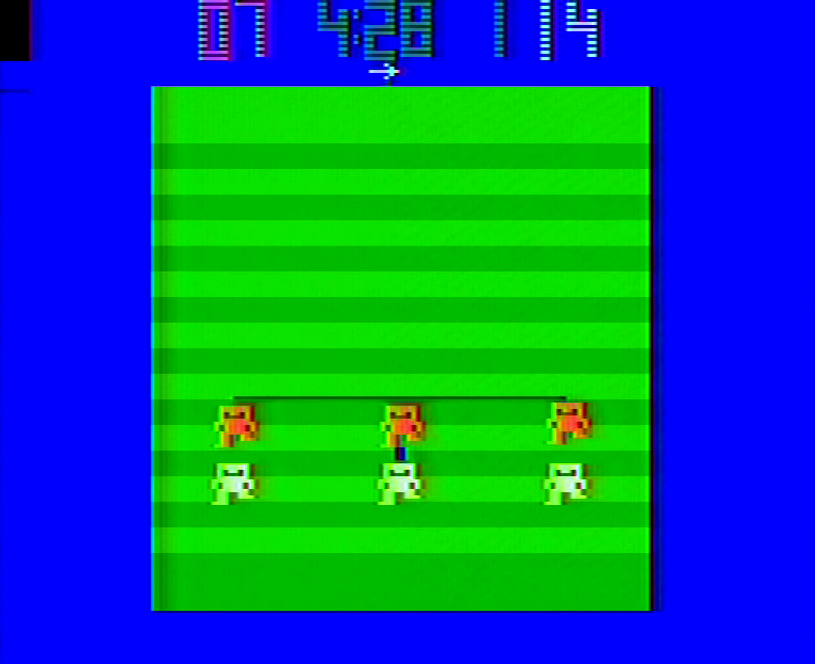
Here we go again with another sports game for the Atari VCS that is a bit of an odd fit for the console. Unlike two other prominent and effective sports translations to the platform – fellow March release Bowling and 1978’s BasketballFootball is a game that, by its nature, requires teams to field far more players than the limited number of sprites the VCS can normally place on screen. Despite this, the game actually kind of works, and is a fun, if not terribly accurate, take on the sport.

Football was written by Bob Whitehead, the same fellow behind the 1978 release Home Run – another team sports game that tried to translate something the VCS is ill-suited for. In fact, Whitehead said that Football runs a similar kernel as Home Run – a kernel being a graphics-generating part of the program, essentially the VCS equivalent of a game’s engine. In that game, he was able to multiplex sprites to create a line of three fielders at a given time, and using sprite flickering – alternating which sprite appears where on each individual frame – he could create the appearance of many more players on the field at once. This technique doesn’t come across great on modern displays, but on an old cathode-ray tube television, it’s a bit more subtle. Like baseball, football requires a lot of players, so Whitehead once again combined multiplexed sprites with flicker to field two teams of four players each, alternating which player is visible each frame.

Continue reading “Football – March 1979”

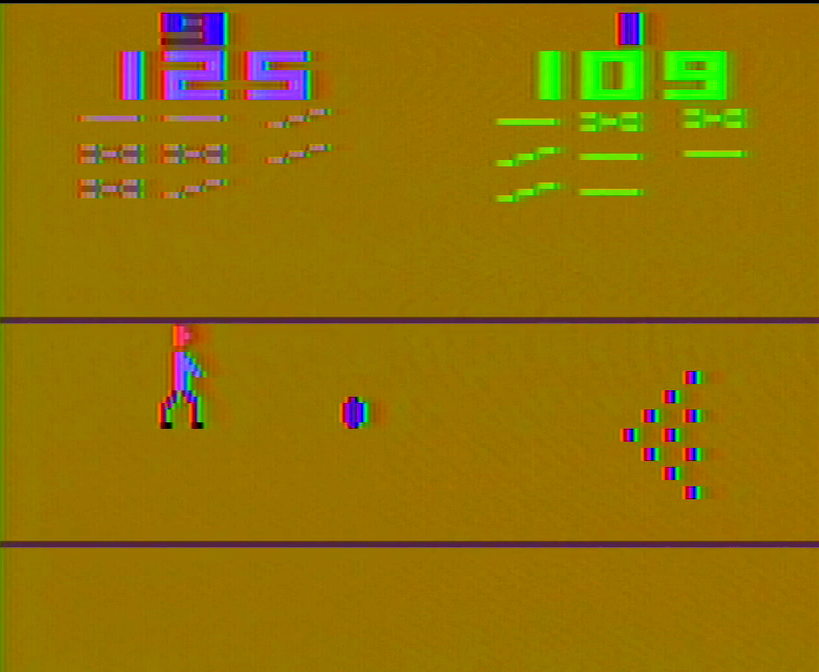
Atari’s new president, Ray Kassar, felt that only releasing new game cartridges for the holiday season was the wrong approach. Rather, Atari should follow what its competitors like Fairchild and RCA had been doing, and release new games throughout the year. While Atari had presented this as part of its plans in both 1977 and 1978 at various points, it did not follow through on these intentions until after Nolan Bushnell had been ousted at the end of 1978. And so, around March 1979, Atari published eight new cartridges for its VCS as part of a “first wave” for the year, including its own home version of the sport of kings, Bowling.

Bowling on the original FRED prototype.

Atari was not the first company to consider producing a take on the best sport you can drink to. Electromechanical versions of Bowling existed in arcades and bars for decades before commercial video games started hitting the scene, and as the sport gained popularity in the 1970s there was interest in developing a video game version of it.  Which brings us to RCA engineer Joe Weisbecker, who created a homemade computer called FRED and got it taken up as a formal RCA project once the company exited the mainframe computer market in 1971. Weisbecker and his group of computer engineers worked over several years to refine FRED into something that could have commercial legs, and games were a major consideration… including bowling. Weisbecker developed a primitive bowling game for the FRED around August 16, 1972 as described in an internal RCA memo, which kept track of the frame and your score. A ball would simply float back and forth on the lane until the player hit a button to send it on its way towards the pins, with a curve being optional. While visually the game is a bit unimpressive today, it would keep track of the score between the players, and even included a primitive method of including audio on the otherwise silent computer. With the right cassette tape hooked up to the computer, it could sync the ball toss action to an audio recording made from a bowling alley.