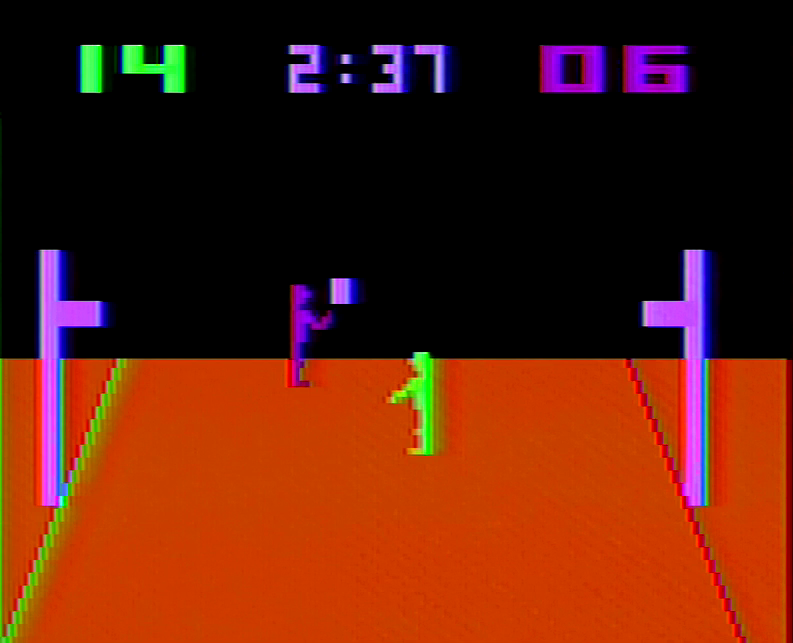
We’ve seen a slow progression of video game sports through the 1970s up to this point, both on the VCS and off of it. Pong was a deeply simplified version of ping pong, and all the other sports games on the original Magnavox Odyssey were functionally the same basic thing. The same holds true for a number of early arcade sports renditions: hockey becomes Pong with a specific goal area, Volleyball and Basketball become vertically oriented versions of Pong, and so on. Racing games got to become their own genre pretty early on, however, and baseball followed shortly thereafter. 1978 would prove to be a watershed moment for one particular sport, however, as a full, non-Pong version of Basketball made its debut on the Atari VCS.

Coincidentally release at the same time as another basketball game that came out alongside the Magnavox Odyssey2 in 1978, Atari’s VCS version of the sport is seemingly the first commercial attempt at the game to really try and translate the major appeal of basketball into a video game. Creator Alan Miller has noted that he played on his high school basketball team, and as the eldest of six kids had spent a lot of time in his youth coming up with games for everyone to play; it seems likely that he wanted to try and translate a sport he enjoyed to the VCS, and he largely succeeded.
Continue reading “Basketball – October 1978” →

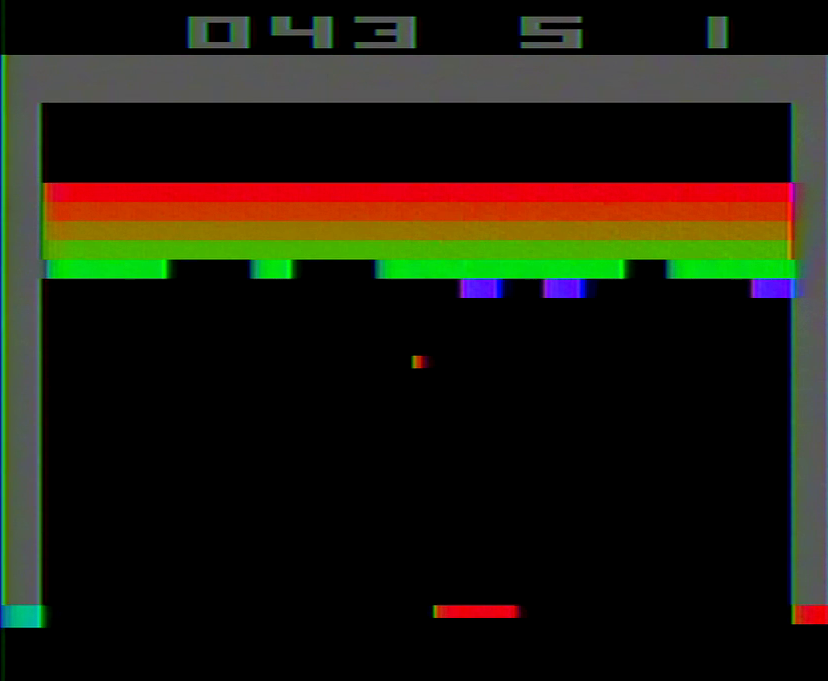
It’s undeniable that Atari initially made its name with Pong. This simple two-player take on a tennis game was an incredible arcade success for the company, with competing clone machines popping up in the years following its 1972 debut. Even the earliest years of the home console market saw an array of Pong clones – itself a clone of the tennis game on the original Magnavox Odyssey. There is just one problem with Pong: It’s a two-player game. If you don’t have someone to play with, you’re not going to spend money on it.

There are two ways to tackle this problem, and Atari essentially covered them both. The first is the solution seen in the 1977 VCS game Video Olympics, where developer Joe Decuir programmed a simple computer opponent for players to compete against. This required actually having the memory available and the processing power to actually create your digital foe, and in the mid-1970s these were both in short supply. The other option was to reimagine Pong as a single player game.

Continue reading “Breakout (Breakaway IV) – October 1978” →

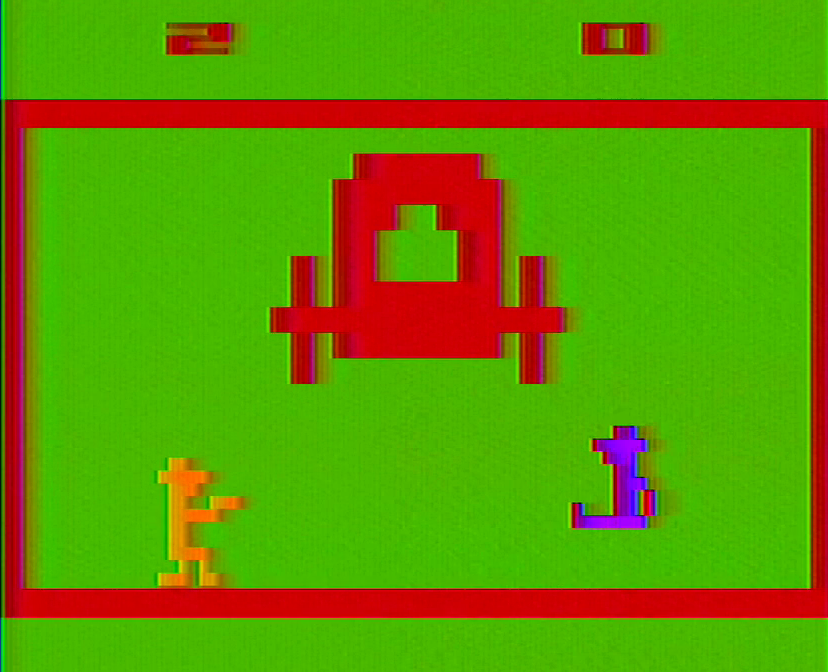
Coming as it did at the tail end of westerns’ day in the sun, the old American west might not be the most popular setting in video games, but it has popped up a few times over the years, from Wild Gunman to Sunset Riders up to the recent Red Dead Redemption games. But if you want to see an early example of a video game western, then Outlaw has you covered.

Continue reading “Outlaw (Gunslinger) – October 1978” →

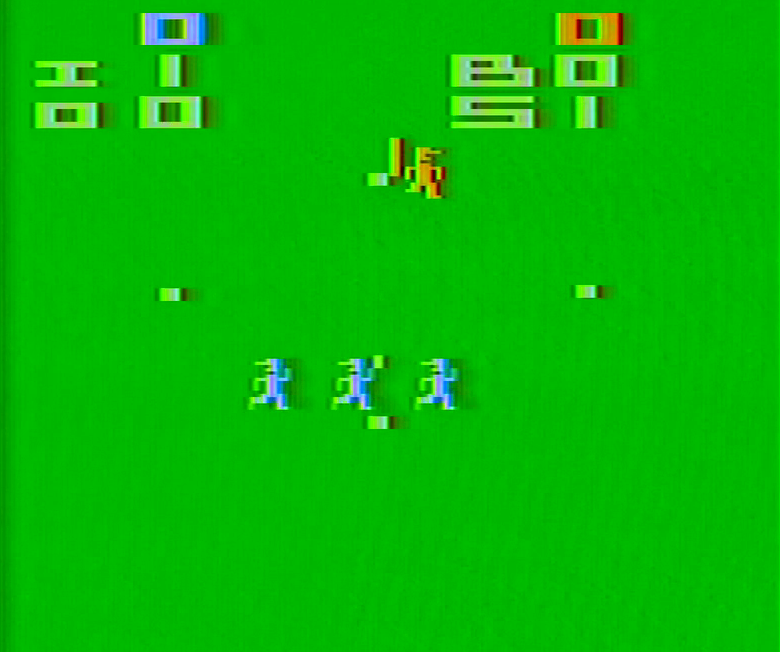
I don’t think it’s a secret that baseball, as a sport, doesn’t lend itself well to early video game consoles. One team is always going to have nine players on the field, while the other is dealing with their batter, along with any base runners they might have on the field at the moment. Meanwhile, the consoles in question typically are limited in resolution, controller input options, and memory. But that didn’t stop programmers and developers from trying their best to translate the popular sport to the video game machines of the day, and eventually they succeeded in making some really good renditions of America’s pasttime. Unfortunately, Atari’s Home Run, released by Sears as simply Baseball, is more of an iterative step on that journey rather than one of the benchmarks.

Continue reading “Home Run (Baseball) – October 1978” →

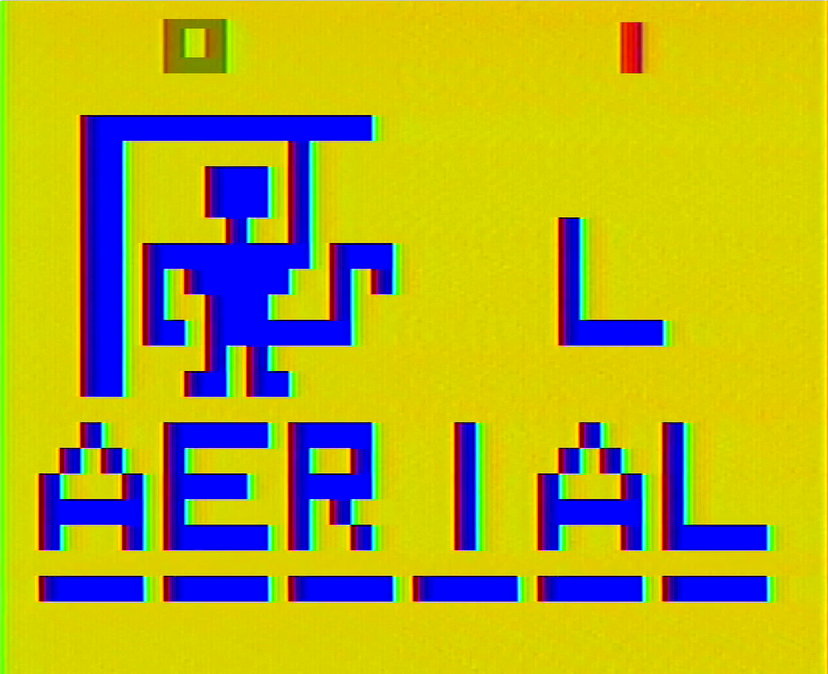
In the early days of home game development, it was pretty plain to see when developers were pulling from an existing arcade title, and when they appeared to just be seeing what they could make work on a microprocessor. Hangman, released by Sears as Spelling, seems very much like the latter. It falls into the category of games that can be played with another person around the house, albeit not a terribly exciting one.

Continue reading “Hangman (Spelling) – October 1978” →