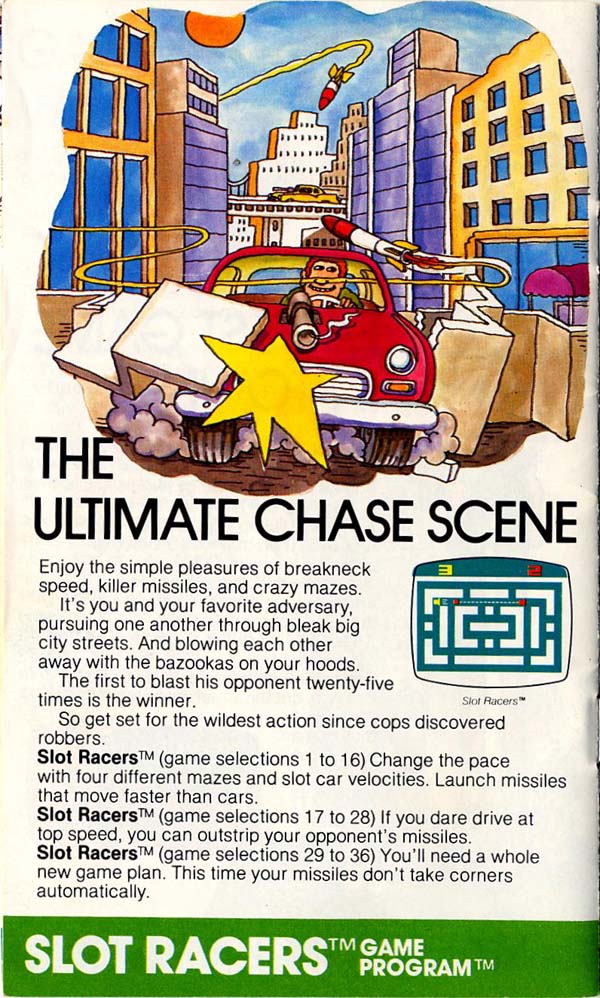
Atari catalog, 1978

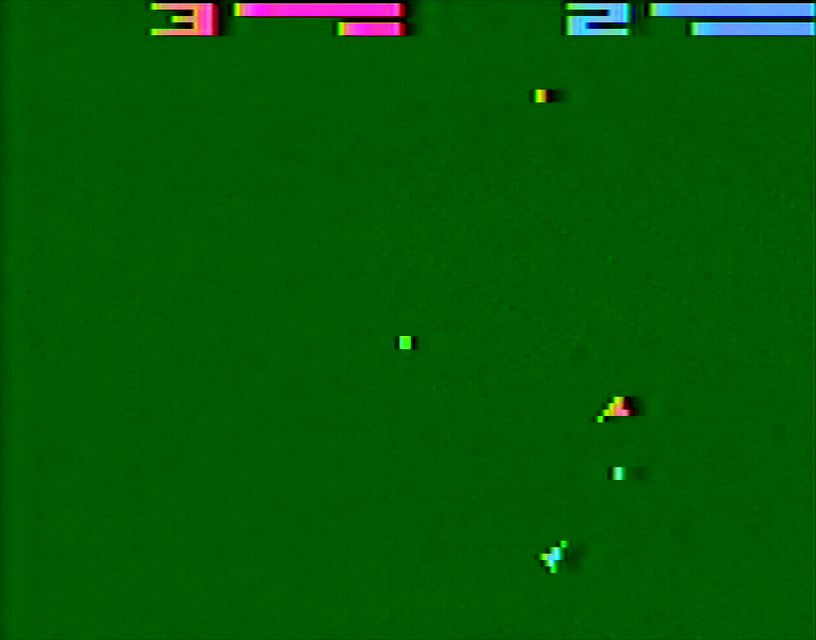
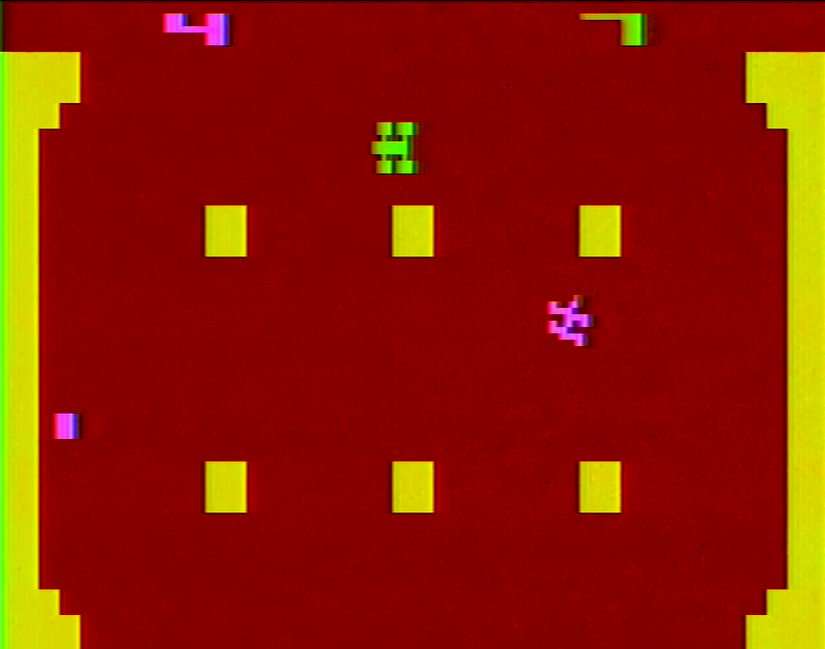
Most of the Atari VCS games we’ve looked at so far are ones where you know what you’re getting into just from the title. A game named Indy 500 is probably about racing. Space War is most likely going to have you fighting in outer space. Blackjack is going to involve playing cards, and so forth. But then you get to Slot Racers, and you’re probably going to be kind of baffled. What the heck is going on here, you might ask? After all, slot racing in real life is little more than model cars you insert into an electrically connected track and drive around a predetermined route. This game has player vehicles driving around a maze shooting at each other. If you have the Sears version of the game, which was released under the title Maze, you might have a better idea of what you’re getting into here. But the reason Slot Racers seems so far removed from the source material is because that wasn’t the premise in the first place.
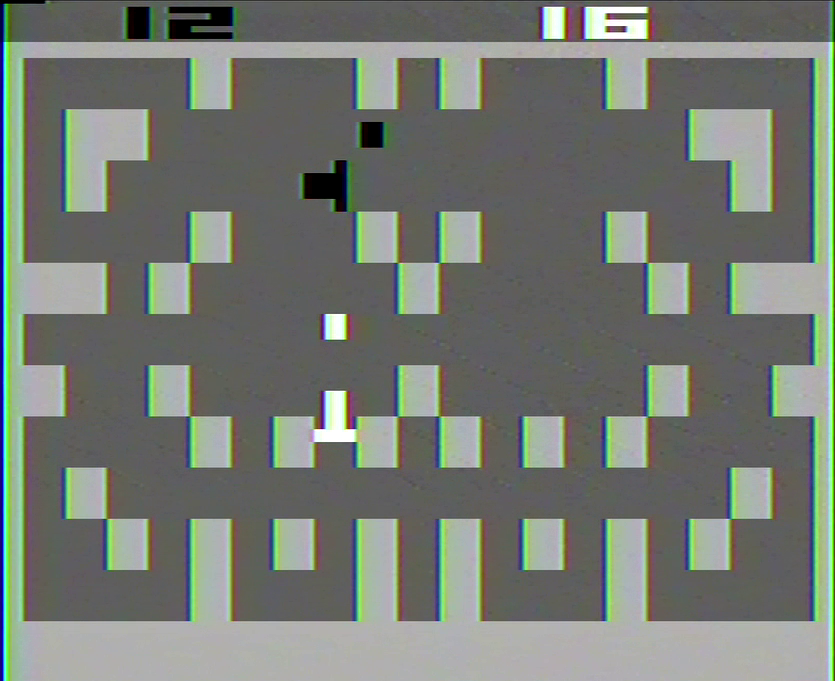
But before we get into that, we have to step back a moment and recognize that Slot Racers is the first Atari VCS game developed by Warren Robinett. Best known for his seminal 1980 VCS game Adventure, Robinett was part of the second hiring wave of Atari home video game programmers, coming on board in November 1977 – shortly after other notable Atari developers like David Crane and Jim Huether joined the company. Robinett wrote about his experiences at Atari and developing Slot Racers in his book (unpublished as of this writing), and graciously provided me with a copy of the manuscript to help describe the development of his three VCS titles. He also explained to me that he felt that the best way to figure out how to program a game for the VCS within its limitations is to just start writing a complete one, and while driving to work one day he had an idea in his head for a game he called “Traffic.” In it, two cars would be driving around a city maze firing rockets at each other in a severe case of road rage.
Continue reading “Slot Racers (Maze) – October 1978”

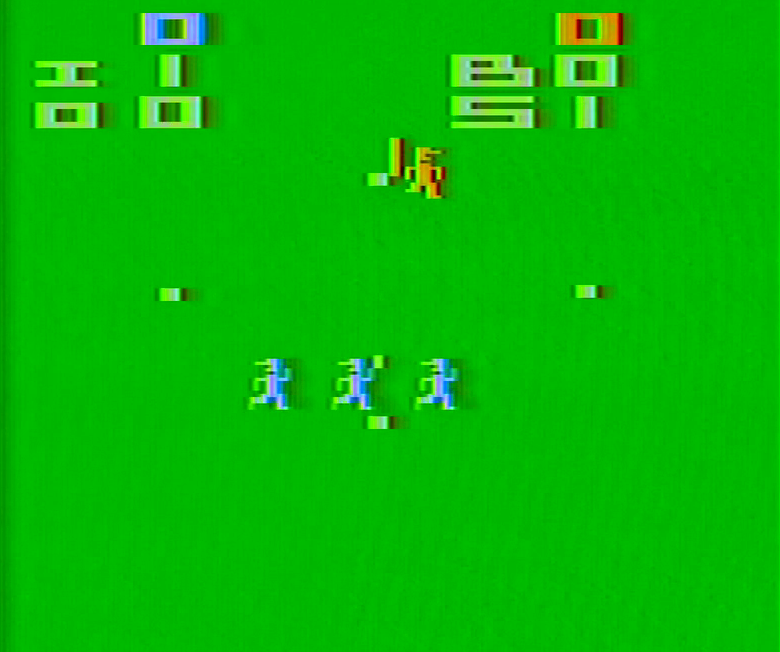
I don’t think it’s a secret that baseball, as a sport, doesn’t lend itself well to early video game consoles. One team is always going to have nine players on the field, while the other is dealing with their batter, along with any base runners they might have on the field at the moment. Meanwhile, the consoles in question typically are limited in resolution, controller input options, and memory. But that didn’t stop programmers and developers from trying their best to translate the popular sport to the video game machines of the day, and eventually they succeeded in making some really good renditions of America’s pasttime. Unfortunately, Atari’s Home Run, released by Sears as simply Baseball, is more of an iterative step on that journey rather than one of the benchmarks.

Continue reading “Home Run (Baseball) – October 1978”

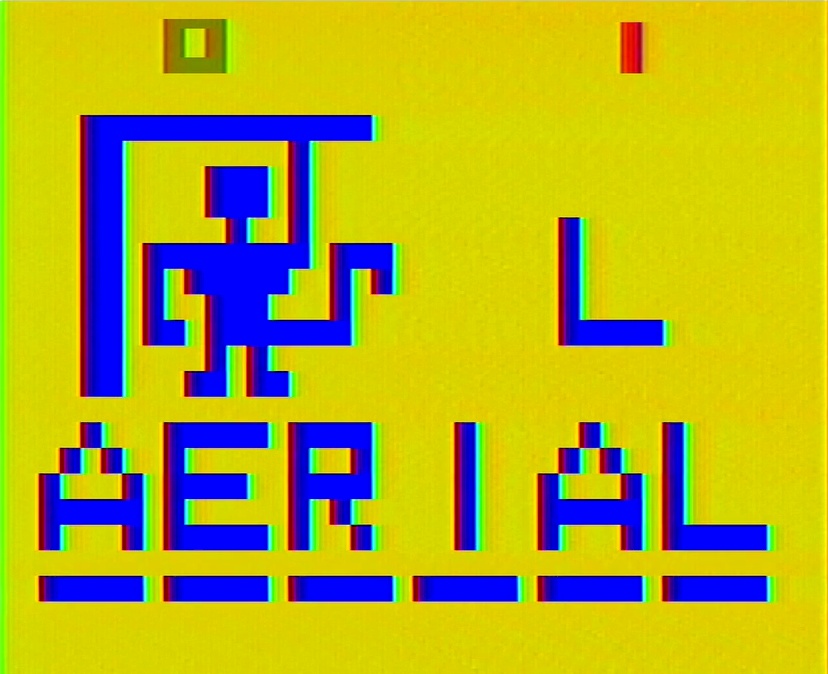
In the early days of home game development, it was pretty plain to see when developers were pulling from an existing arcade title, and when they appeared to just be seeing what they could make work on a microprocessor. Hangman, released by Sears as Spelling, seems very much like the latter. It falls into the category of games that can be played with another person around the house, albeit not a terribly exciting one.

Continue reading “Hangman (Spelling) – October 1978”

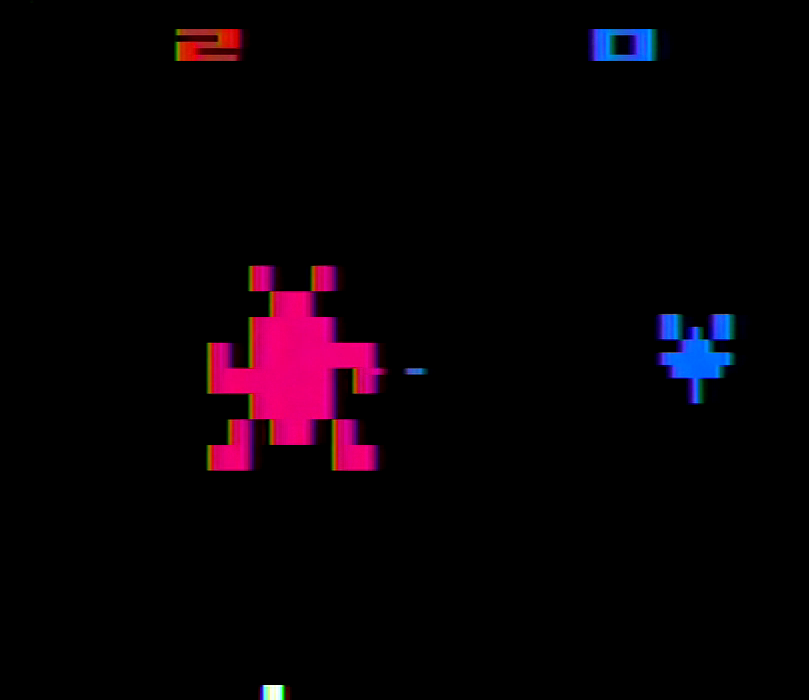
Fresh off a strong and successful 1977, Atari’s Video Computer System was in a good place. Hundreds of thousands of units had been sold; the company’s home game design team continued to grow and was getting more experienced. Having exhausted most of Atari’s top-tier arcade titles, those same developers had to get creative on what to make next. One of those designers, Ian Shepherd, seemed to have decided to look backwards for inspiration – about 15 years backwards, specifically, to one of the very first video games ever designed: Spacewar.

Continue reading “Space War (Space Combat) – October 1978”

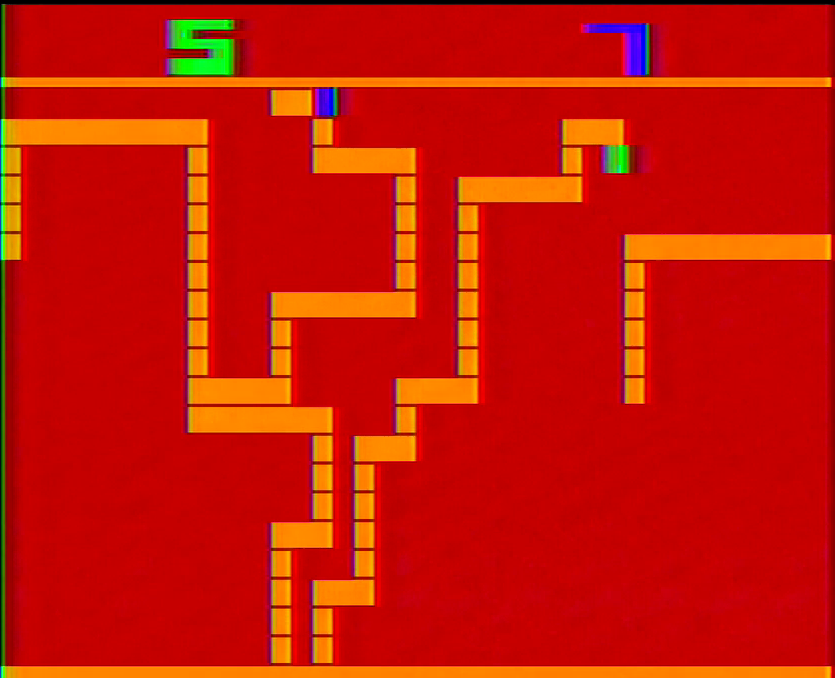
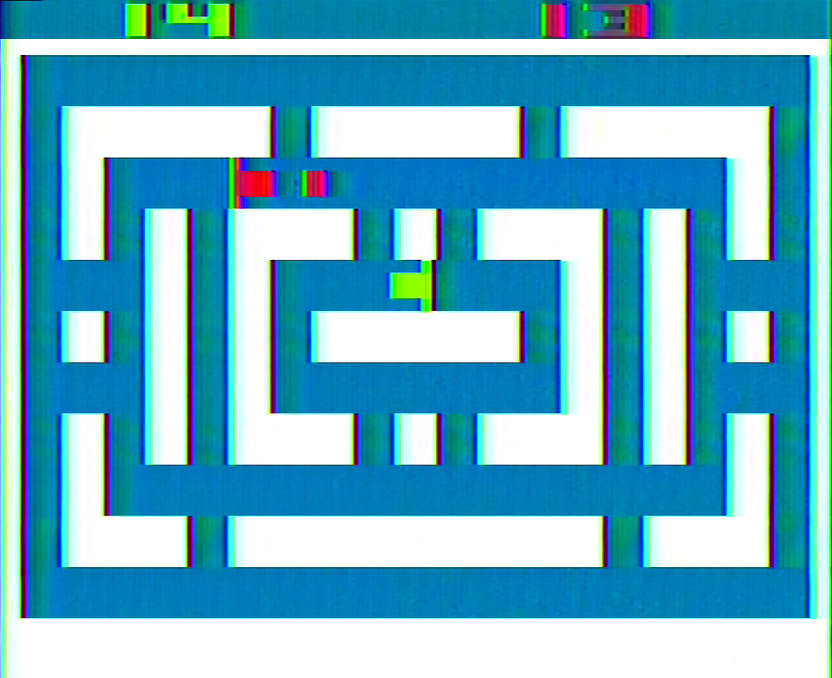
Ask someone what they know about Tron, and odds that if they know it at all, it’s probably because of the light cycle sequence. In it, cyclists create walls of light behind them as they move, trying to trap their opponent and cause them to crash. As it happens, that idea didn’t originate with Disney, but dates back to the 1976 Gremlin arcade game Blockade. And as we’ll see, Blockade would find itself cloned time and again, including by Atari for the VCS with Surround.

Continue reading “Surround (Chase) – September 1977”


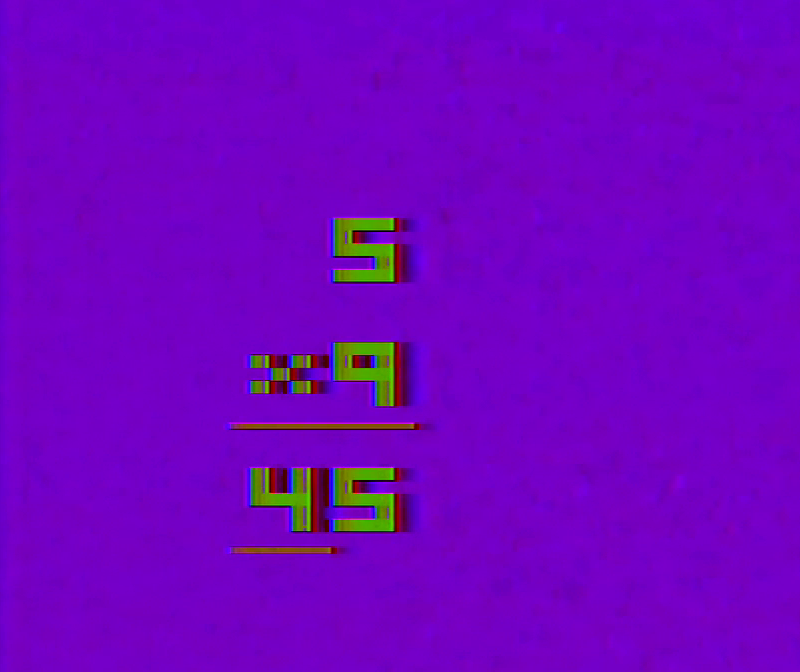
For as long as people have been mashing up numbers, they’ve been looking for ways to make the process easier. Whether it’s mathematical techniques like long division or using an abacus to keep track of large numbers, anything that can help reduce human error, we like.  And similarly, anything that might make teaching math easier, well, we’ll give that a shot too.

It’s no secret that computers are good at math problems, and the introduction of the pocket calculator in 1971 gave the general public its first real opportunity to find that out firsthand; suddenly, the idea that using a computer to learn things that traditionally required books, paper and pencil didn’t seem so far-fetched. And so when the first programmable game consoles started arriving on the market, they all tried to position themselves as being more than just game machines – they could teach your kids math, vocabulary, and even some social studies in a fun, entertaining environment.

Continue reading “Basic Math (Math) – September 1977”


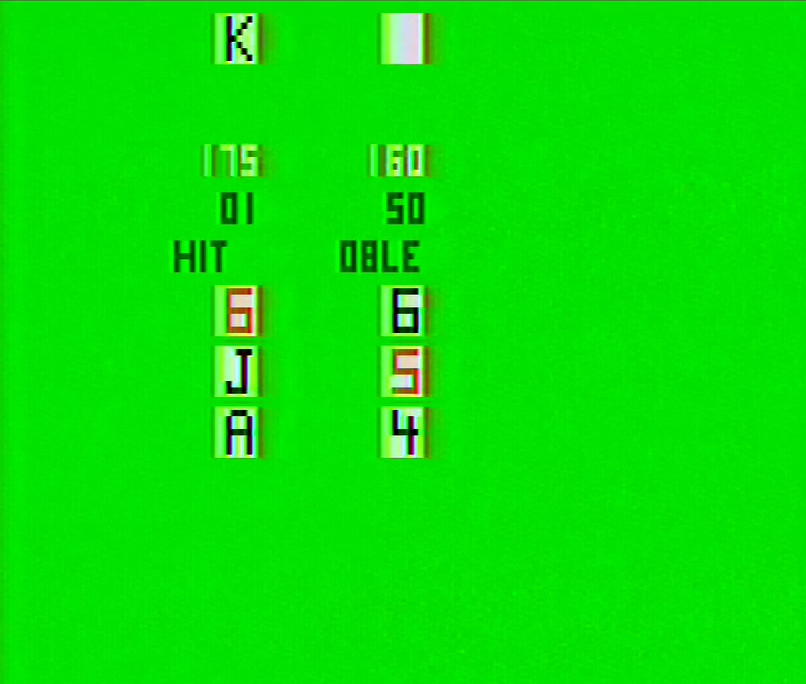
From early on, video games have been translating the games people play in the physical realm to the digital. Sometimes this manifests as a sport, like racing cars, but it can also take the shape of something you might play in everyday life. One of the earliest computer games was a 1954 computer conversion of blackjack done on an IBM-701 by Los Alamos engineers to break down the best ways to play the game, and it would prove to be a popular target for computer programs in the 1960s and 70s, with early renditions such as David Frailey’s September 1967 version for DEC’s PDP computer line, and another written in BASIC that was included in David Ahl’s seminal book, 101 BASIC Computer Games.  With this kind of background, it’s not terribly surprising that the card game was routinely among the earliest releases on the first programmable consoles, either.

Continue reading “Blackjack – September 1977”


Outer space has been a part of video games almost since their inception. One of the earliest computer games, Spacewar, came about in part because its designers were fans of pulpy science fiction stories such as the Lensman series. Spacewar went on to serve as inspiration for the first commercial arcade game, Computer Space, providing the first glimpse of the setting for public gaming consumption by having players shoot down UFOs within a time limit. Spacewar and the television series Star Trek inspired a text-based fan-made Star Trek computer game in 1971, with players jumping from sector to sector seeking out Klingon ships. But 1977 would prove to be an inflection point for a couple reasons.

Continue reading “Star Ship (Outer Space) – September 1977”


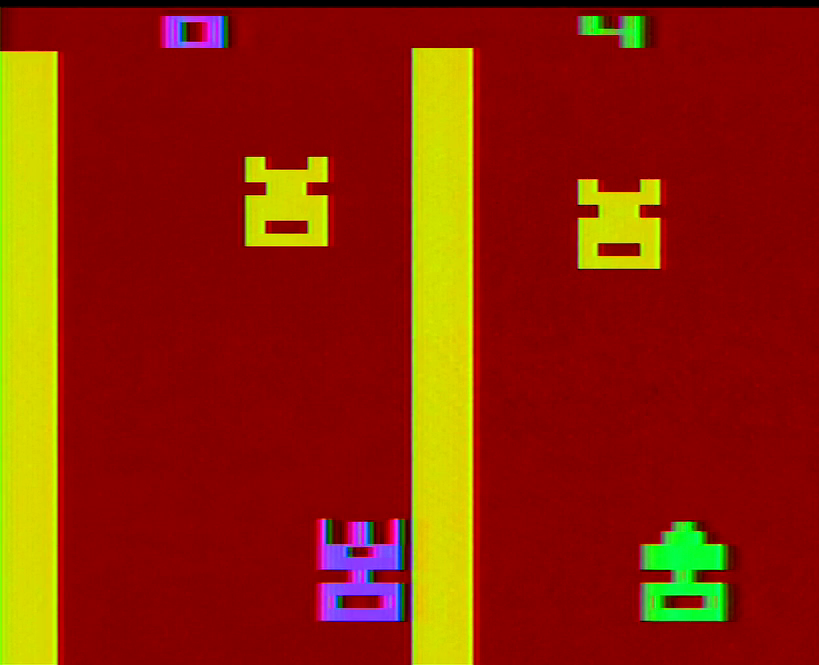
No small number of VCS titles from 1977 were based on arcade games. Tank begat Combat, from Anti-Aircraft came Air Sea Battle, Pong morphed into Video Olympics, Indy 800 brought us Indy 500, Star Ship is based on Starship I, and Surround is a conversion of Dominos. But a few of these early games were unique creations, such as the one being highlighted here, Street Racer. Unfortunately, it’s also one of the weakest titles in the 1977 VCS lineup.

Continue reading “Street Racer (Speedway II) – September 1977”


When the Atari VCS launched in 1977, there were two racing games that went out alongside it. Indy 500 is almost without question the better of the two, and features some of the best racing action on the platform in its lengthy life. 

The overhead perspective and game mechanics seen in Indy 500 were pioneered by Atari in its March 1974 single-player arcade game Gran Trak 10, the company’s first true racing game. Gran Trak 10 was inspired by a pen-and-paper game called Racetrack published in the January 1973 edition of Scientific American. Developer Steve Mayer felt like the calculations used in that game to determine the movement of cars along a track could be used in a video game. Larry Emmons did the circuit design, and eventually Ron Milner came on board to help them finish the game, which included several firsts for arcade games: it’s the first game to use a ROM chip to store sprite data rather than hard-coding characters on the board. It’s the first game to use a dedicated monitor rather than repurposing a television, and it’s the first game to use interlaced video for its display. Essentially, the game will draw all the odd-numbered scanlines first and then circle back around for the even-numbered scanlines, which allowed for higher resolution and smoother animation. Despite all these innovations, Gran Trak 10’s production was a debacle, with manufacturing problems, pricing problems and expensive parts. The issues were great enough that even though the game sold around 10,000 units, Atari still took a hit in 1974 that put them $600,000 in the red. The game was nevertheless reportedly successful for arcade operators.

Continue reading “Indy 500 (Race) – September 1977”